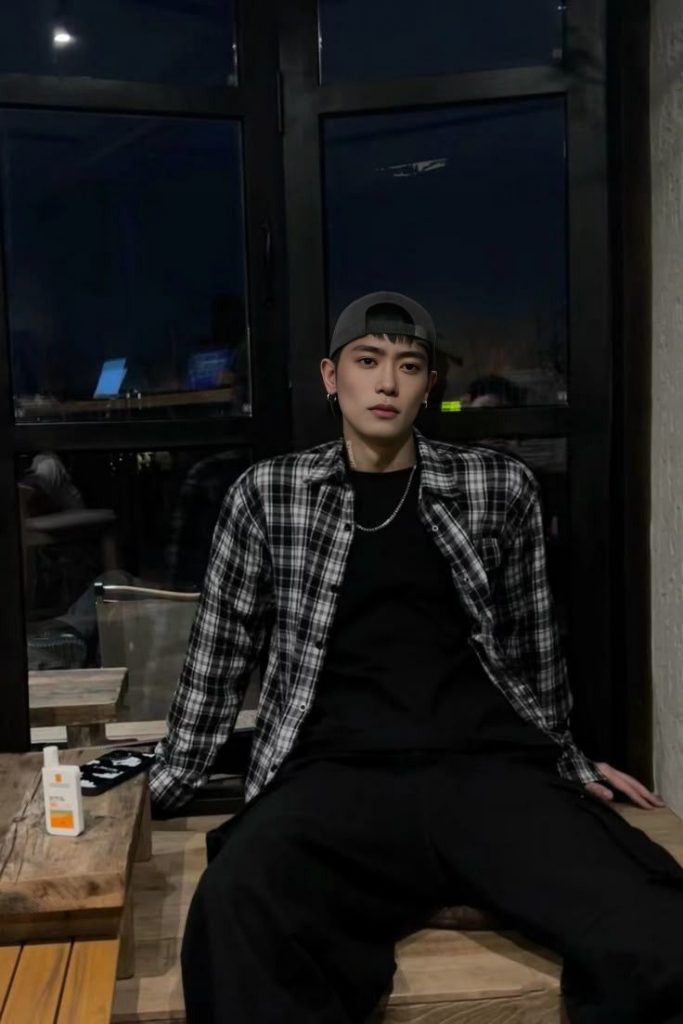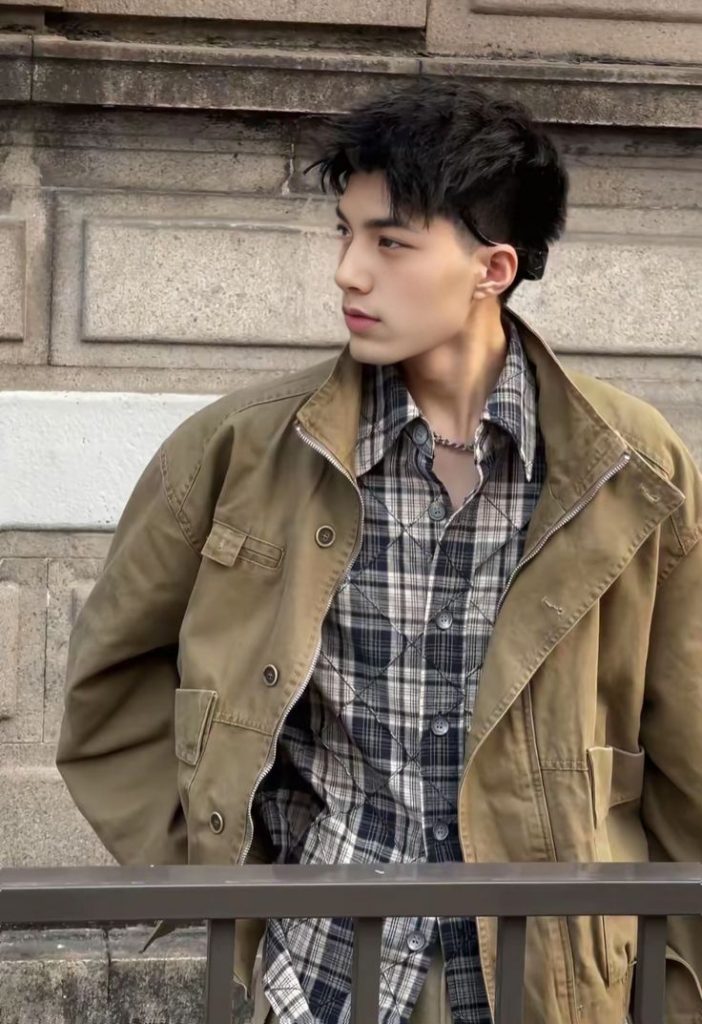
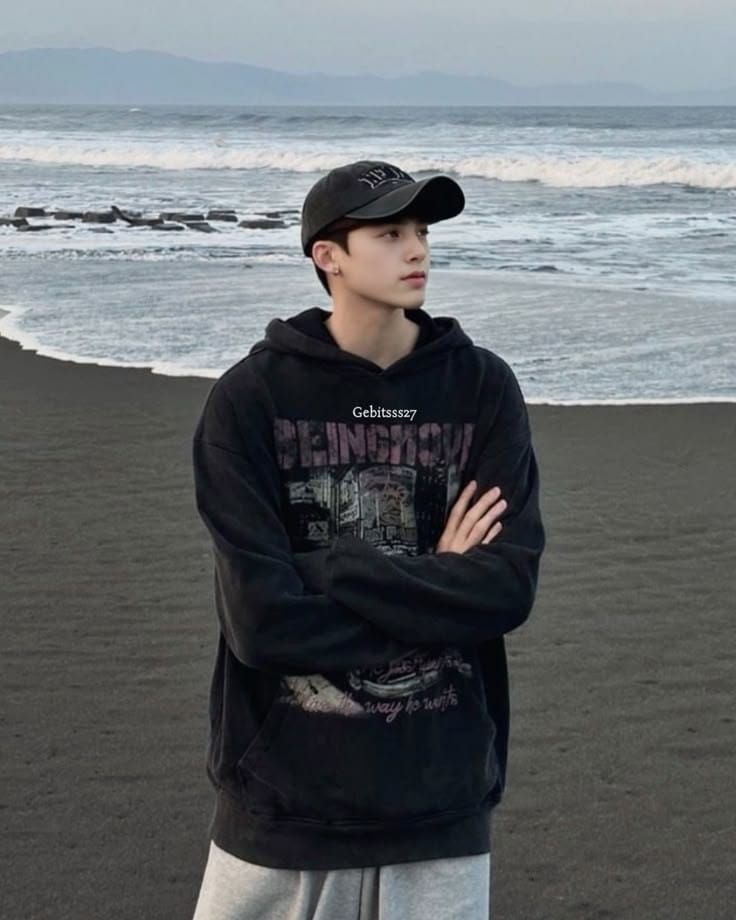
Fashion has always been more than fabric stitched together. Long before a person speaks, their clothing sends signals — about mood, values, culture, confidence, and even rebellion. In a world where first impressions are often formed in seconds, fashion becomes a silent language, one that communicates identity without saying a word.
What we choose to wear is rarely random. Even minimalism is a statement. A simple outfit can suggest clarity, intention, and control. A bold combination of colors might express creativity or courage. Oversized silhouettes may reflect comfort, defiance of norms, or an appreciation for street culture. Every choice, conscious or not, contributes to a visual narrative about who we are or who we want to be.
Historically, clothing has been tied to status, profession, and social structure. Uniforms told us who held authority. Traditional garments connected individuals to their roots and communities. Over time, fashion evolved from rigid codes into a form of personal expression. Today, people mix eras, cultures, and styles freely, creating unique identities that are fluid rather than fixed.
Modern fashion thrives on individuality. Trends still exist, but they no longer dictate identity in the same way. Instead of blindly following what is “in,” many people reinterpret trends through their own lens. A trending silhouette might be styled in a way that feels personal, meaningful, or emotionally resonant. This shift reflects a deeper cultural movement toward authenticity.
Clothing also plays a psychological role. Studies have shown that what we wear can influence how we feel and how we perform. A well-fitted outfit can boost confidence. Comfortable clothing can reduce stress. Certain textures or colors can evoke calm, energy, or focus. This phenomenon, often called “enclothed cognition,” highlights the powerful connection between clothing and mindset.
Fashion becomes especially important during periods of change. People often alter their style during transitions — a new job, a new city, a new phase of life. Clothing becomes a tool for self-redefinition, a way to visually mark growth or transformation. Even subtle changes, like choosing different color palettes or silhouettes, can reflect internal shifts.
In the digital age, fashion’s role in identity has expanded even further. Social media platforms have turned personal style into a form of storytelling. Outfits are curated, photographed, and shared as visual diaries. This doesn’t mean fashion has become shallow; rather, it has become more intentional. People are more aware of how clothing aligns with their values, whether that means sustainability, comfort, gender fluidity, or cultural representation.
At its core, fashion is about choice. It allows people to experiment, to express contradictions, to evolve. One day’s outfit does not define a person forever. Style can change with emotions, seasons, and experiences. That freedom is what makes fashion powerful — it adapts as we do.
Ultimately, fashion is not about impressing others. It is about alignment. When what we wear reflects how we feel or who we are becoming, clothing stops being just an outer layer and becomes part of our story. And in a world that moves quickly, fashion remains one of the most accessible ways to pause and say, “This is me.”