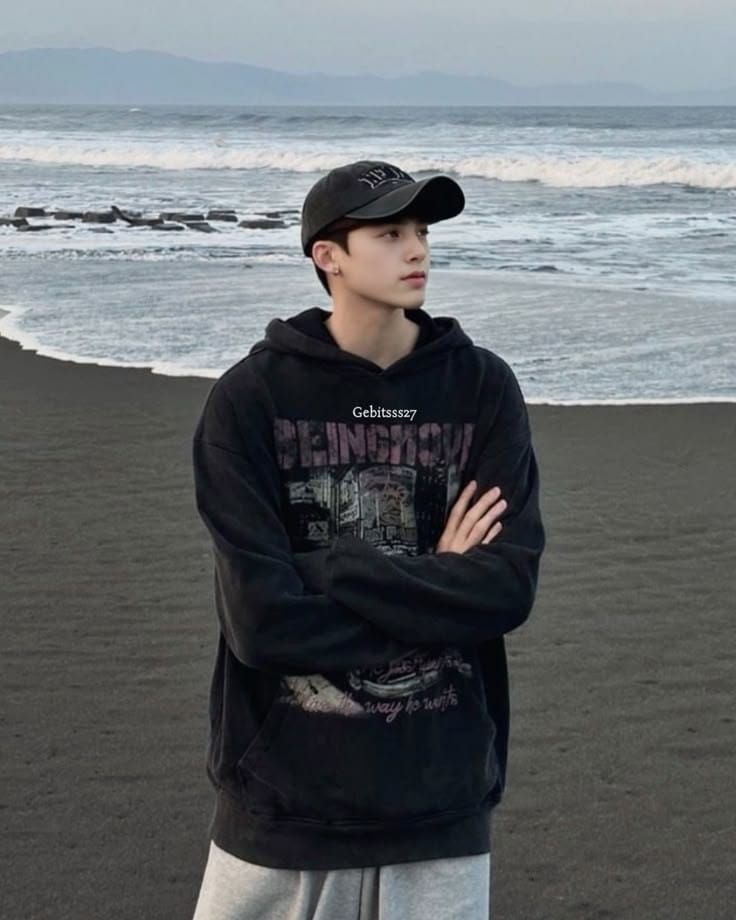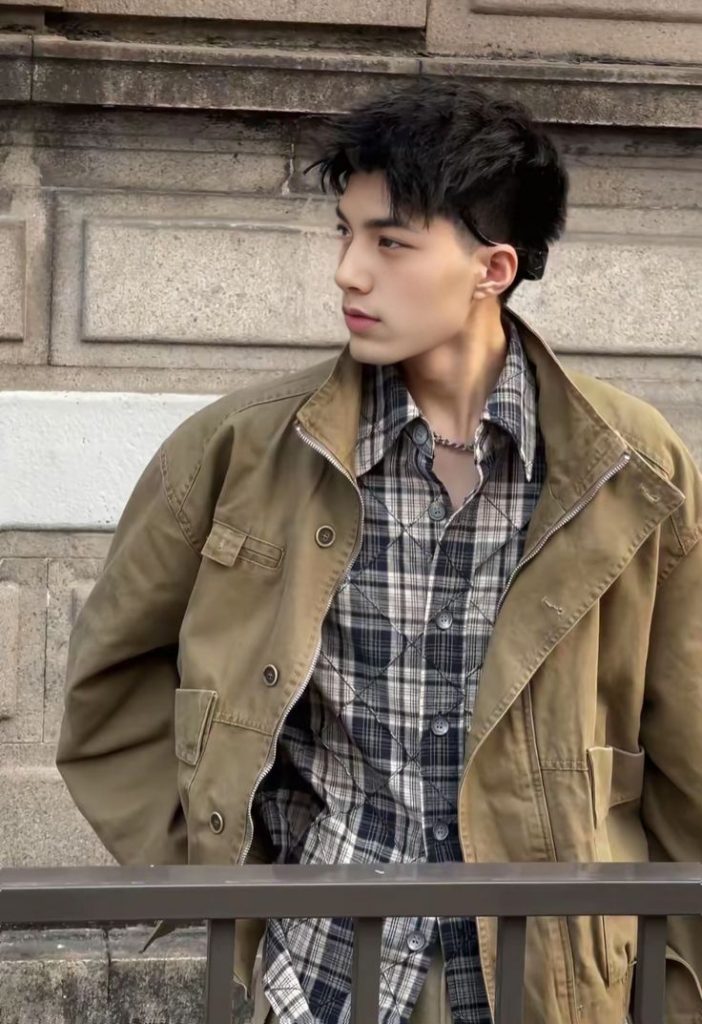
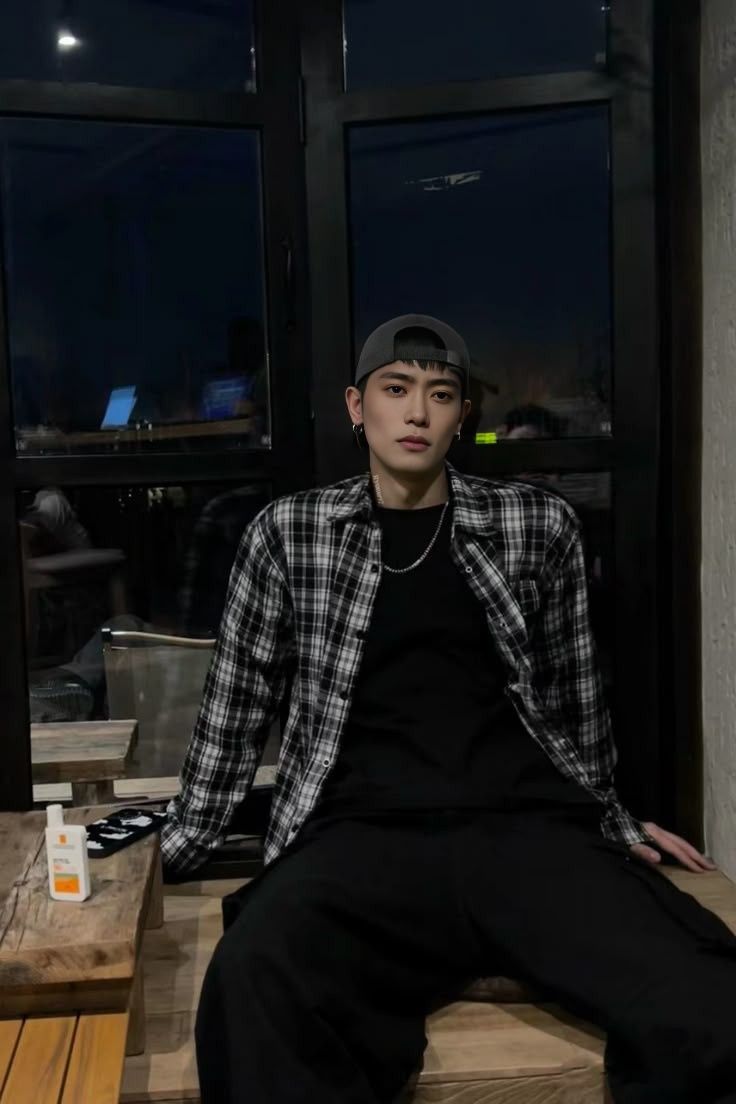
Fashion today looks very different from the glossy, rigid ideals of the past. Runways once dictated what people wore, often prioritizing appearance over practicality. Now, the focus has shifted. Everyday fashion — clothing designed for real life — has taken center stage, blending comfort, versatility, and personal expression.
This shift did not happen overnight. Changes in work culture, lifestyle, and social values have slowly reshaped how people dress. Remote work, flexible schedules, and a greater emphasis on well-being have encouraged clothing that moves with the body rather than restricting it. Comfort is no longer seen as lazy or unrefined; it is seen as intentional.
Everyday fashion does not mean boring. On the contrary, it invites creativity in subtle ways. Clean silhouettes, thoughtful layering, and balanced proportions define modern style more than excessive decoration. A well-chosen basic can feel more powerful than an overly complicated outfit. The beauty lies in how pieces are combined rather than how loud they are individually.
Another defining feature of everyday fashion is versatility. Modern wardrobes are built around items that can transition seamlessly between different settings. A single outfit might work for a casual meeting, an evening walk, and a relaxed social gathering with just small adjustments. This flexibility reflects how fluid daily life has become.
Color palettes in everyday fashion often lean toward neutral tones, but that does not mean color is absent. Instead, color is used intentionally — as an accent, a mood enhancer, or a point of contrast. Soft earth tones, muted shades, and timeless monochromes create a foundation that feels calm and grounded, allowing personality to shine through details.
Fabric choice also plays a crucial role. Breathable, durable materials are favored over stiff or delicate ones. Texture adds depth to simple designs, making even minimal outfits feel complete. People are increasingly aware of how clothing feels on the skin, not just how it looks in the mirror.
Confidence is another key element driving everyday fashion. When clothing feels natural and unforced, it allows people to focus on living rather than adjusting. Confidence grows when outfits align with one’s lifestyle and values. There is no need to perform or conform — style becomes supportive rather than demanding.
Everyday fashion also challenges traditional ideas of “dressing up.” Looking good no longer requires discomfort. Sneakers can coexist with tailored pieces. Relaxed silhouettes can still feel polished. This blending of categories reflects a broader cultural acceptance of individuality and comfort as markers of success.
In many ways, everyday fashion is democratic. It is accessible, adaptable, and inclusive. It recognizes that style does not belong to a specific body type, age, or environment. Instead, it evolves with the wearer, responding to daily needs and personal growth.
As fashion continues to evolve, everyday style will likely remain at the forefront. It reflects how people actually live — busy, dynamic, and multifaceted lives. By prioritizing comfort without sacrificing aesthetics, modern fashion proves that feeling good and looking good are not opposing goals, but complementary ones.